The comfort zone is where dreams go to die

Thursday, October 6, 2022

N-Acetyl-L-Cysteine as a Dietary Supplement

N-acetyl-L-cysteine

I was planning to write about N-acetyl-L-cysteine (NAC) much earlier, but then NAC-containing products that are labeled as dietary supplements came under investigation by the Food and Drug Administration (FDA) in the US. In a nutshell, the FDA has determined that NAC is excluded from the dietary supplement definition under the FD&C Act because NAC was approved as a prescription drug before it was marketed as a dietary supplement or as a food. As a result, all major retailers in the US have started to phase out related products from their catalogues. This does not affect me personally, because I live in Canada and NAC is still freely available as a supplement here. For anybody in the US this means that NAC as a supplement is now in the gray-zone of enforcement discretion by the FDA. [1]

Why has NAC been getting so popular in recent years?

When taken as a supplement, NAC increases the concentration of L-cysteine, an important and essential amino acid, in the body. Cysteine promotes the production of natural antioxidants such as glutathione (GSH), also called the "master detoxifier", which effectively helps the body deal with oxidative stress and other toxins. GSH not only relieves oxidative stress but also supports the functions of vital organs and helps eliminate heavy metals from the body. [2]

Naturally, NAC can be found in different fruits, herbs, and vegetables that, along with a healthy diet, are usually sufficient to fulfill the body's needs. However, as we are getting older it becomes increasingly more difficult for our cellular machinery to extract, generate, and supply an optimal amount of NAC. Other factors, such as poor nutrition, an unhealthy lifestyle, and environmental stress, also contribute to inadequate levels of NAC or cysteine in the body. Supplementation can help counteract these shortcomings. [3]

In clinical practice, NAC is approved and being used for the neutralization and treatment of paracetamol toxicity. Medical research studies have mostly attributed the health benefits of NAC to its antioxidant activity both via GSH and itself. It scavenges free radicals such as hydrogen peroxide and reactive oxygen species to prevent organ damage, especially to the liver. NAC is one of the most potent liver protectants known, which is why it gained popularity as a hangover cure and preventative. In any case, NAC helps maintain optimal cellular integrity and supports important cleansing functions of the body, which is what makes it interesting as a supplement for the purpose of delayed aging and prolonged longevity. [2][3]

It is important to note that aging does not necessarily mean getting older by numbers or appearance. Aging or pre-mature aging is the weakening and fading of our vital physiological functions. Thus, keeping all organs healthy and functioning optimally is directly related to enhanced longevity and a better quality of life. Among other threatening factors to organs, oxidative stress is one of the most common factors generated by the presence of free radicals and toxins. Oxidative stress can damage cells, tissues, and nerves, especially those that are prone to pre-mature aging, and increase the risk of chronic medical conditions, including neurodegenerative diseases. [5]

Health Benefits of NAC

To summarize, NAC is typically considered as an anti-aging and lifespan extending supplement for its strong antioxidant activity. Following are details on medical research studies related to the health benefits as well as physiological functions of NAC and how those can contribute to longevity and an overall better quality of life.

Delayed Aging

NAC helps keep the integrity of organs which creates an anti-aging effect. Medical research studies reported that it increases the resistance of the body against free radicals, environmental stress, and ultraviolet radiation. These functions of NAC specifically protect cells against unwanted cell death (apoptosis), reduce the risk of cancer, and promote other cellular functions that all eventually have a positive effect on lifespan. [2][4][6][7]

Medical studies have shown that NAC elevates the production of GSH which effectively relieves oxidative stress in different body parts. Furthermore, NAC modulates different signaling pathways that positively impact cell growth and arrest, slow down apoptosis, and relieve inflammation. NAC also helps the body against the causative actions of heavy metals, including lead, arsenic, and mercury via cellular detoxification. [2][3][5]

Moreover, studies reported that NAC provides neuroprotection and prevents mitochondrial decay which is highly associated with aging and age-related neurodegenerative diseases such as Alzheimer’s disease, Parkinsonism, and Huntington’s disease. The possible mechanisms include; an increase in the glutathione level in the brain, reduction of oxidative damage, increased mitochondrial protection, improve brain synaptic and non-synaptic activities, and a reduced risk of dopamine-induced cell death. [2][3][5]

Studies also suggested that NAC improves mental health and wellness via regulating neurotransmitters in the brain. It helps normalize glutamate and dopamine levels which boost overall activity of the brain and can improve the symptoms of psychiatric conditions, including schizophrenia, memory ailments, and bipolar disorders. An optimal level of glutamate supports memory, improves cognition and enhances learning capabilities. [6][8]

Another possible anti-aging effect includes the stimulation of hydrogen sulfide (H2S) biosynthesis that plays an important role in longevity and stress resistance. An optimal amount of H2S in the body influences aging-related pathways and improves certain biological activities. These activities are bioenergetics, cellular metabolism, stem cell proliferation and differentiation, autophagy, stress resistance, apoptosis, and inflammation. [7]

Quality of Life

NAC acts as a precursor for cysteine which replenishes the “master detoxifier” GSH in the body and helps prevent various medical conditions. It supports the physiological functions of the heart, lungs, and other vital organs via its antioxidant activity. Medical research studies demonstrated that NAC boosts the immune system, reducing the risk of developing chronic medical conditions. It does so by restoring the concentration of natural killer cells and supporting the functions of lymphocytes and phagocytes, increasing resilience to pathological agents. [2][9][10][14]

Adding more, NAC helps physical performance and may ease muscle fatigue. It enhances force output and improves muscle activity to support a healthy lifespan. Furthermore, NAC supports optimal reproductive and gastrointestinal health. It improves the symptoms of ulcerative colitis via softening the colonic tissue, relieving oxidative stress, decreasing the risk of cell apoptosis, enhancing injured colon recovery, and supporting tightening of junctions. [3][11]

Studies also confirmed that NAC improves the symptoms of various respiratory disorders. It helps chronic bronchitis, asthma, chronic obstructive pulmonary disease, cystic fibrosis, nasal congestion, and airway hyper-responsiveness (AHR). NAC decreases the frequency of symptom aggravation and relieves inflammation in the airways, including bronchial tubes and lung tissues. Moreover, it acts as an expectorant and softens the mucus for easier expulsion. In the case of chronic obstructive pulmonary disease (COPD), NAC improves lung function, reducing exacerbation. All these health benefits may help reduce the risk of respiratory disorders when using NAC as a preventative supplement. [2][3][15][16][17]

Furthermore, NAC supports optimal functioning of the kidneys and liver via detoxifying harmful agents such as drugs and environmental toxins. It may also help various hepatic disorders, including liver cancer via its antioxidant and anti-inflammatory activities. In the case of sexual health, NAC showed a positive impact on fertility, semen quality and also improved symptoms of polycystic ovary syndrome (PCOS) in women. [2][3][12][13]

Medical research studies also reported that NAC prevents the risk of diabetes by regulating blood sugar levels and relieving inflammation in fat cells. It reduces insulin resistance, improves glucose tolerance, and increases insulin sensitivity. Adding more, it not only reduces diabetic complications but also decreases the risk of heart diseases and supports optimal cardiovascular functions. All these health benefits may not only improve the overall quality of life, but also help delay aging, prevent pre-mature aging, and increase longevity through their positive action on organs. [18][19]

Precautions

More likely than not, the use of NAC as a supplement is safe for adults. However, it can cause gastrointestinal symptoms such as nausea, vomiting, diarrhea, and constipation at high doses. Also, other adverse effects include drowsiness, runny nose, chest tightness, and mouth swelling. Its relative safety is also evident in the guidance of the FDA, which states: "Unless we identify safety-related concerns during our ongoing review, [the] FDA intends to exercise enforcement discretion until either of the following occurs: we complete notice-and-comment rulemaking to allow the use of NAC in or as a dietary supplement (should we move forward with such proceedings) or we deny the NPA citizen petition’s request for rulemaking." - meaning, most importantly, that the FDA does not currently have any safety-related concerns about NAC. [1]

Lastly, please note that I am only talking about my personal experience and opinion. This is not medical advice and what works for me might not work for you. Please make sure to always consult your primary care physician about any information obtained from or through my site.


Take a look at this page for a full overview of all the supplements that I am currently taking on a regular basis: Fundamental Longevity Supplements. You will find links to other detailed articles, such as this one, about other supplements significant to longevity. There are also product endorsements and recommendations from me, based on the supplements that I am personally taking after spending years experimenting with different products.


References:

  1. https://www.fda.gov/regulatory-information/search-fda-guidance-documents/guidance-industry-policy-regarding-n-acetyl-l-cysteine
  2. Vida Mokhtari et al. "A Review on Various Uses of N-Acetyl Cysteine." Cell Journal, vol. 19(1), 2017: 11–17. https://doi.org/10.22074/cellj.2016.4872
  3. Špela Šalamon et al. "Medical and Dietary Uses of N-Acetylcysteine." Antioxidants, vol. 8(5), 2019: 111. https://doi.org/10.3390/antiox8050111
  4. Seung-Il Oh, Jin-Kook Park & Sang-Kyu Park. "Lifespan extension and increased resistance to environmental stressors by N-Acetyl-L-Cysteine in Caenorhabditis elegans." Clinics, vol. 70(5), 2015: 380–386. https://doi.org/10.6061/clinics/2015(05)13
  5. Sonja K. Soo et al. "Compounds that extend longevity are protective in neurodegenerative diseases and provide a novel treatment strategy for these devastating disorders." Mechanisms of Ageing and Development, vol. 190, 2020: 111297. https://doi.org/10.1016/j.mad.2020.111297
  6. Deepmala et al. "Clinical trials of N-acetylcysteine in psychiatry and neurology: A systematic review." Neuroscience & Biobehavioral Reviews, vol. 55, 2015: 294–321. https://doi.org/10.1016/j.neubiorev.2015.04.015
  7. Mikhail V. Shaposhnikov et al. "Effects of N-acetyl-L-cysteine on lifespan, locomotor activity and stress-resistance of 3 Drosophila species with different lifespans." Aging, vol. 10(9), 2018: 2428–2458. https://doi.org/10.18632/aging.101561
  8. Lianne Schmaal et al. "N-Acetylcysteine Normalizes Glutamate Levels in Cocaine-Dependent Patients: A Randomized Crossover Magnetic Resonance Spectroscopy Study." Neuropsychopharmacology, vol. 37, 2012: 2143–2152. https://doi.org/10.1038/npp.2012.66
  9. Lorena Arranz et al. "The glutathione precursor N-acetylcysteine improves immune function in postmenopausal women." Free Radical Biology and Medicine, vol. 45(9), 2008: 1252–1262. https://doi.org/10.1016/j.freeradbiomed.2008.07.014
  10. B. de Quay, R. Malinverni, B. H. Lauterburg. "Glutathione depletion in HIV-infected patients: role of cysteine deficiency and effect of oral N-acetylcysteine." AIDS, vol. 6(8), 1992: 815-819. PMID: 1418777.
  11. Qingjing Wang et al. "Protective effects of N-acetylcysteine on acetic acid-induced colitis in a porcine model." BMC Gastroenterology, vol. 13, 2013: 133. https://doi.org/10.1186/1471-230X-13-133
  12. Kívia Queiroz De Andrade et al. "Oxidative Stress and Inflammation in Hepatic Diseases: Therapeutic Possibilities of N-Acetylcysteine." International Journal of Molecular Sciences, vol. 16(12), 2015: 30269–30308. https://doi.org/10.3390/ijms161226225
  13. D. Quig. "Cysteine metabolism and metal toxicity." Alternative Medicine Review, vol. 3(4), 1998: 262–270. PMID: 9727078.
  14. Wulf Dröge & Raoul Breitkreutz. "Glutathione and immune function." Proceedings of the Nutrition Society, vol. 59(4), 2000: 595–600. https://doi.org/10.1017/s0029665100000847
  15. Claudio M. Sanguinetti. "N-acetylcysteine in COPD: why, how, and when?" Multidisciplinary Respiratory Medicine, vol. 11, 2015: 8. https://doi.org/10.1186/s40248-016-0039-2
  16. C. Stey, J. Steurer, S. Bachmann, T. C. Medici, M. R. Tramèr. "The effect of oral N-acetylcysteine in chronic bronchitis: a quantitative systematic review." European Respiratory Journal, vol.16 (2), 2000: 253-262. https://doi.org/10.1034/j.1399-3003.2000.16b12.x
  17. Elham Pirabbasi et al. "Efficacy of Ascorbic Acid (Vitamin C) and/N-Acetylcysteine (NAC) Supplementation on Nutritional and Antioxidant Status of Male Chronic Obstructive Pulmonary Disease (COPD) Patients." Journal of Nutritional Science and Vitaminology, vol. 62(1), 2016: 54–61. https://doi.org/10.3177/jnsv.62.54
  18. Phiwayinkosi V. Dludla et al. "A Systematic Review on the Protective Effect of N-Acetyl Cysteine Against Diabetes-Associated Cardiovascular Complications." American Journal of Cardiovascular Drugs, vol. 18, 2018: 283–298. https://doi.org/10.1007/s40256-018-0275-2
  19. Alona Falach-Malik et al. "N-Acetyl-L-Cysteine inhibits the development of glucose intolerance and hepatic steatosis in diabetes-prone mice." American Journal of Translational Research, vol. 8(9), 2016: 3744–3756. PMID: 27725855.

Share:

Saturday, May 29, 2021

Omega-3 & CoQ10, Effects on Longevity

Omega-3 Fish Oil

Both omega-3 fatty acids and CoQ10 play an important role in supporting the optimal performance of various physiological processes. Coenzyme Q10 is naturally produced in the body and stored in the mitochondria, the powerhouse of the cell. It acts as a potent antioxidant agent that, if taken as a supplement, can help with various medical conditions. Omega-3 fatty acids derived from fish and other seafood typically deliver a combination of EPA (eicosapentaenoic acid) and DHA (docosahexaenoic acid) fatty acids to help prevent deficiencies. There is a third omega-3 fatty acid, ALA (alpha-linolenic acid), which is found mainly in plant oils such as flaxseed, soybean, and canola. Diets in developed nations tend to be rich in ALA (typically from oils used to fry food), but poor in EPA and DHA, unless a diet regularly includes fish or other seafood.

Both omega-3 fatty acids and CoQ10 are commonly found combined in the same supplement because they have synergies with each other based on their individual action. They are often marketed as heart health products since both help fight inflammation, support blood vessel and cardiovascular health, nourish brain cells, and reduce mental stress.

Health Benefits of Omega-3 and CoQ10

There is a wealth of literature and websites on the potential health benefits of omega-3 fatty acids. Here I am focusing on some of the key benefits of omega-3 fatty acids and CoQ10 as they relate to the topic of longevity.

Cardiovascular Functions

Medical research studies have shown that omega-3 fatty acids are able to support a healthy heart in numerous ways. They decrease the level of bad cholesterol in the body, help regulate the amount of triglycerides (i.e. energy stored in fat cells) and increase the concentration of high-density lipoproteins a.k.a. good cholesterol. As a result, this reduces the risk of plaque formation in blood vessels, which in turn promotes optimal blood flow and heart functions. Moreover, they help with high blood pressure, relieve inflammation and may even help resolve harmful blood clot formations inside blood vessels. [3][4][6][7]

Studies reported a potent antioxidant effect of CoQ10 that relieves oxidative stress in cells, protects cellular integrity and helps vital body organs. Several medical studies have shown that CoQ10 has a significantly positive effect on blood sugar levels and cardiovascular health. It helps regulate blood sugar levels, lowers the amount of triglycerides, and supports a higher concentration of good cholesterol in the blood. All these physiological effects not only assist heart functions, but also may help with type 2 diabetes symptoms and synergize with the effects of omega-3 fatty acids. Moreover, the antioxidant action of CoQ10 not only benefits everyday brain functions, but also reduces the risk of developing neurological diseases and disorders. [1][2][9][16]

Neuroprotective Effect

Studies reported a neuroprotective effect of omega-3 fatty acids that not only slows down the progression of neurological diseases but also helps relive symptoms of depression and mental stress. An optimal supplementation of omega-3 fatty acids was reported to lower anxiety, improve states of depression, and to inhibit the production of pro-inflammatory mediators, including interleukin-6 and tumor necrosis factor-alpha (TNF-α). [5][6][7]

Brain Health

In addition to their neuroprotective effect, studies suggest that an optimal intake of omega-3 fatty acids results in tangible benefits for brain health in terms of mental ability and performance. Medical research studies reported that optimal levels of omega-3 fatty acids support cognition, improve memory retention, support social skills, and increase concentration as well as attention span. A proper intake of omega-3 fatty acids may even lessen symptoms of hyperactivity, aggression, sleep apnea, and impulsiveness. This was found in a study specifically about children, but still reminds of similar effects in adults mentioned before. [5][6][7] These particular benefits are the primary reason why omega-3 fatty acids are also highly popular as supplements in the nootropic community.

Eye Health

Macular degeneration is a serious threat to eyes sight and may, with old age, eventually result in permanent blindness. Different medical studies reported that omega-3 fatty acids have the ability to protect the retina against different pathological and environmental hazards and reduce the risk of macular eye degeneration. Thus, they help protect vascular and neural retina tissues which in turn improves eye health and longevity. [6]

Sexual Health

An optimal amount of CoQ10 supports sexual health and wellbeing in both men and women. Medical research studies reported that the antioxidant activity of CoQ10 improves testosterone levels, increases sperm count, and encourages sperm mobility for improved fertility. Furthermore, studies confirmed a significant positive effect on overall fertility and sperm quality by protecting sperm cells against chemical toxins in the body. [12][13]

In the case of women, medical research studies confirmed a positive impact of CoQ10 supplements during pregnancy. It not only reduces the risk of preeclampsia but also improves the ovarian response to stimulation as well as embryological parameters that help fertilization and support the optimal development of the embryo. [8][11]

Physical Performance

CoQ10 is stored in the mitochondria and part of the process of cellular energy production. It is required for proper cellular mitochondrial functions and helps during physical activities. Studies reported that supplementation with CoQ10 relieves muscle fatigue and delays exhaustion, both of which enhance athletic performance. The antioxidant activity of CoQ10 further promotes mitochondrial functions by protecting them against oxidative stress. [14][15]

Quality of Life

Adding more to the previously discussed health benefits, omega-3 fatty acids also reduce the risk of developing metabolic disorders, including diabetes. They increase resistance against inflammation as well as insulin sensitivity, which helps regulate high blood sugar levels. As a result, they decrease the risk of developing various medical conditions linked to irregular levels of inflammation, including cancer and heart disease. Overall, all of these are effects that can meaningfully contribute to an increased health span. [4][5][20]

Studies also suggested that omega-3 fatty acids support resistance against autoimmune types of diseases and may improve the symptoms of rheumatoid arthritis, ulcerative colitis, Crohn’s disease, and psoriasis. Moreover, they support healthy bones and joints by reducing pain and helping to increase grip strength. In regards to common aging related diseases, optimal intake of omega-3 fatty acids reduces the risk of osteoporosis and arthritis. [7][18][19]

Complementing the health benefits mentioned above, an optimal amount of CoQ10 in the body helps reduce the occurrence of migraines and decreases the severity and occurrence of headaches. Moreover, CoQ10 slows down the progression of type 2 diabetes via reducing fasting blood sugar and hemoglobin A1C levels. It stimulates the metabolism of fats and discourages their accumulation in adipocytes (i.e. fat cells). Some studies also reported that CoQ10 supports lung functions and tissue oxygenation via suppressing inflammatory response. Thus, it might also reduce the risk of developing certain respiratory conditions, including asthma and chronic obstructive pulmonary disease. [1][2][9][10][16]

Omega-3 fatty acids improve skin texture and help maintain younger looking skin. They play an important role in skin hydration, reduce the risk of developing abnormal skin conditions and improve skin immunity against pathological agents. Additionally, they improve oil production to help prevent premature aging of the skin through exposure to environmental hazards. Studies also reported that they contribute to protecting the skin against harmful radiation from the sun and increase the concentration of collagen in the skin. [17]

Lastly, please note that I am only talking about my personal experience and opinion. This is not medical advice and what works for me might not work for you. Please make sure to always consult your primary care physician about any information obtained from or through my site.


Take a look at this page for a full overview of all the supplements that I am currently taking on a regular basis: Fundamental Longevity Supplements. You will find links to other detailed articles, such as this one, about other supplements significant to longevity. There are also product endorsements and recommendations from me, based on the supplements that I am personally taking after spending years experimenting with different products.


References:

  1. Juan D. Hernández-Camacho, Michel Bernier, Guillermo López-Lluch, Plácido Navas. "Coenzyme Q10 Supplementation in Aging and Disease." Frontiers in Physiology, vol. 9, 2018: 44. https://doi.org/10.3389/fphys.2018.00044
  2. Rajiv Saini. "Coenzyme Q10: The essential nutrient." Journal of Pharmacy & BioAllied Sciences, vol. 3(3), 2011: 466–467. https://doi.org/10.4103/0975-7406.84471
  3. M. Ebrahimi et al. "Omega-3 fatty acid supplements improve the cardiovascular risk profile of subjects with metabolic syndrome, including markers of inflammation and auto-immunity." Acta Cardiologica, vol. 64(3), 2009: 321–327. https://doi.org/10.2143/AC.64.3.2038016
  4. Gerry Schwalfenberg. "Omega-3 fatty acids: their beneficial role in cardiovascular health." Canadian family physician, Medecin de famille canadien, vol. 52(6), 2006: 734–740.
  5. Arne Reimers & Hanna Ljung. "The emerging role of omega-3 fatty acids as a therapeutic option in neuropsychiatric disorders." Therapeutic Advances in Psychopharmacology, vol. 9, 2019. https://doi.org/10.1177/2045125319858901
  6. David Kiefer & Traci Pantuso. "Omega-3 fatty acids: An update emphasizing clinical use." Agro Food Ind Hi Tech., vol. 23(4), 2012: 10–13.
  7. Maria Alessandra Gammone, Graziano Riccioni, Gaspare Parrinello, Nicolantonio D’Orazio. "Omega-3 Polyunsaturated Fatty Acids: Benefits and Endpoints in Sport." Nutrients, vol. 11(1), 2019: 46. https://doi.org/10.3390/nu11010046
  8. Enrique Teran et al. "Coenzyme Q10 supplementation during pregnancy reduces the risk of pre-eclampsia." International Journal of Gynecology and Obstetrics, vol. 105(1), 2009: 43–45. https://doi.org/10.1016/j.ijgo.2008.11.033
  9. Shi-ying Zhang et al. "Effectiveness of Coenzyme Q10 Supplementation for Type 2 Diabetes Mellitus: A Systematic Review and Meta-Analysis." International Journal of Endocrinology, 2018: 6484839. https://doi.org/10.1155/2018/6484839
  10. ZhiYong Zeng et al. "Efficacy of CoQ10 as supplementation for migraine: A meta-analysis." Acta Neurologica Scandinavica, vol. 139(3), 2019: 284–293. https://doi.org/10.1111/ane.13051
  11. Yangying Xu et al. "Pretreatment with coenzyme Q10 improves ovarian response and embryo quality in low-prognosis young women with decreased ovarian reserve: a randomized controlled trial." Reproductive Biology and Endocrinology, vol. 16(1), 2018: 29. https://doi.org/10.1186/s12958-018-0343-0
  12. Saleem Ali Banihani. "Effect of Coenzyme Q10 Supplementation on Testosterone." Biomolecules, vol. 8(4), 2018: 172. https://doi.org/10.3390/biom8040172
  13. Ahmed T Alahmar. "The impact of two doses of coenzyme Q10 on semen parameters and antioxidant status in men with idiopathic oligoasthenoteratozoospermia." Clinical and Experimental Reproductive Medicine, vol. 46(3), 2019: 112–118. https://doi.org/10.5653/cerm.2019.00136
  14. Matthew Cooke et al. "Effects of acute and 14-day coenzyme Q10 supplementation on exercise performance in both trained and untrained individuals." Journal of the International Society of Sports Nutrition, vol. 5, 2008: 8. https://doi.org/10.1186/1550-2783-5-8
  15. Dietmar Alf, Michael E Schmidt & Stefan C Siebrecht. "Ubiquinol supplementation enhances peak power production in trained athletes: a double-blind, placebo controlled study." Journal of the International Society of Sports Nutrition, vol. 10, 2013: 24. https://doi.org/10.1186/1550-2783-10-24
  16. Qiuhua Shen & Janet D. Pierce. "Supplementation of Coenzyme Q10 among Patients with Type 2 Diabetes Mellitus." Healthcare, vol. 3(2), 2015: 296–309. https://doi.org/10.3390/healthcare3020296
  17. Meagen M. McCusker & Jane M. Grant-Kels. "Healing fats of the skin: the structural and immunologic roles of the ω-6 and ω-3 fatty acids." Clinics in Dermatology, vol. 28(4), 2010: 440-451. https://doi.org/10.1016/j.clindermatol.2010.03.020
  18. Huan Yang, Pengcheng Xun, Ka He. "Fish and Fish Oil Intake in Relation to Risk of Asthma: A Systematic Review and Meta-Analysis." PLoS ONE, vol. 8(11), 2013: e80048. https://doi.org/10.1371/journal.pone.0080048
  19. J E Löfvenborg et al. "Fatty fish consumption and risk of latent autoimmune diabetes in adults." Nutrition & Diabetes, vol. 4, 2014: e139. https://doi.org/10.1038/nutd.2014.36
  20. Lars C Stene, Geir Joner & Norwegian Childhood Diabetes Study Group. "Use of cod liver oil during the first year of life is associated with lower risk of childhood-onset type 1 diabetes: a large, population-based, case-control study." The American Journal of Clinical Nutrition, vol. 78(6), 2003: 1128–1134. https://doi.org/10.1093/ajcn/78.6.1128

Share:

Monday, May 3, 2021

Ginseng, the Primordial Longevity Herb

Ginseng Blend

Ginseng, scientifically known as Panax ginseng or Panax quinquefolius, is a short, slow-growing medicinal herb with fleshy roots. The roots of ginseng contain bioactive compounds that show significant positive effects in the management and prevention of medical conditions. It is commonly touted for its antioxidant and anti-inflammatory effects. It could also help regulate blood sugar levels and have benefits for some cancers. What’s more, ginseng may strengthen the immune system, enhance brain function, fight fatigue and improve symptoms of erectile dysfunction. Ginseng has also been shown to benefit mental functions, feelings of calmness and mood in both healthy people and those with Alzheimer’s disease. Additionally, ginseng may help fight fatigue and enhance physical activity by lowering oxidative damage and increasing energy production in cells. The use of Panax ginseng and Panax quinquefolius in traditional Chinese medicine dates back to about 5000 years ago. [1]

Bioactive Compounds in Ginseng

The word Panax is derived from the word "panacea" - in Greek mythology, Panacea (Πανάκεια) was a goddess of universal health and remedy. Roots of the Panax ginseng contain various bioactive compounds such as saponins (ginsenosides), alkaloids, acidic polysaccharides (ginsenan S-IA and ginsenan S-IIA), polyacetylenic alcohols, sesquiterpenes, vitamins, peptides, and amino acids. The health benefits of ginseng are strongly correlated with the presence and concentration of ginsenosides. [1]

Types of Ginseng

More than 13 types of ginseng species exist in nature; among these, the Korean (red) and American (white) ginseng are the most common and typically used as supplements.

The Korean species, scientifically called Panax ginseng and sometimes referred to as Chinese ginseng, is native to Asia. While the American ginseng, also known as Panax quinquefolius, is native to North America. The main difference between these types is the composition and ratio of the various bioactive compounds and their resulting medicinal uses. They are equally well known and used because they both contain an optimal concentration of ginsenosides with positive effects on different medical conditions. Red, Korean ginseng has been used to heal, however, it also has the reputation of being a stimulant. White, American ginseng has healing properties, while having more of a calming effect, providing mental clarity.

Moreover, red ginseng roots are collected after growing for over six years, then soaked and steamed between 100–110°C for 2–3 hours. White ginseng roots are typically collected for medicinal purposes when they are between 4-6 years old and then dried naturally in the sun.

Health Benefits of Ginseng

In the following, I am only referring to relatively recent research. Most of the references are from the last 10 years, only one of them is from before the year 2000. There are thousands of years worth of anecdotes about the health benefits of ginseng, I am not considering anything derived from that.

Quality of Life

Ginseng possess antioxidant and anti-inflammatory activity that reduces the risk of developing various chronic medical conditions. Medical studies reported that ginseng inhibits signaling pathways led by protein kinases and transcription factor nuclear factor-kappa-B. The inhibition of these signaling pathways results in a decrease in the production of proinflammatory mediators and cytokines. Thus, ginseng can help in the prevention of underlying medical conditions. [1][3]

Furthermore, it relieves oxidative stress and increases the antioxidant activity of enzymes in the body that improve cellular integrity, support physiological functions, and increase longevity. Also, a regular consumption of ginseng supports mental health, can relieve mental stress and ease fatigue, and could thus even improve social behaviors in everyday interactions. On the physiological side, even in healthy people ginseng improves potential symptoms of type 2 diabetes via regulating the blood sugar level, increasing insulin sensitivity, and encouraging reuptake of sugar into tissue. [1][3]

Besides, ginseng shows an immunomodulatory activity and can enhance immune response against pathological and environmental hazards. It helps maintain an optimal immune system response against microbial attacks and therefore increases resistance to various infections or illnesses.

Additionally, studies reported anti-cancer activity of ginseng via antiangiogenics and apoptosis-inducing action. Thus, it helps lower the risk of developing different cancers, including liver, stomach, lung, colon, pancreas, mouth, and ovarian cancer. [1][2][3]

Delayed Aging

Ginseng contains potent bioactive compounds that promote the production of collagen to help improve skin appearance. It promotes a youthful look, protects skin against photodamage or sun damage, and acts as a skin whitener that enhances skin complexion. Also, it helps reduce facial wrinkles to maintain an optimal skin texture. Moreover, ginseng reduces the production of melatonin, which decreases the risk of photoaging and skin pigmentation. [5]

Furthermore, it delays mental aging by reducing the risk of neurodegenerative disorders via neuroprotective properties. Also highly popular in nootropic circles, ginseng promotes enhanced human intelligence, inhibits neuronal cell apoptosis, and supports nerve proliferation. Personally, I support this action through a multivitamin, to make sure my body has enough vitamin B12 and other related nutrients at its disposal. Ginseng also helps remove free radicals and toxins that negatively affect nerves and specifically brain tissue. [1][2][4]

Sexual Health

Ginseng is a traditional remedy for promoting sexual health, libido and satisfaction for both men and women.

Research studies have found a tangible, positive effect of ginseng on male reproductive systems. It helps prevent and potentially even improves existing symptoms of erectile dysfunction by enhancing the production of nitric oxide. It is believed that this higher concentration of nitric acid increases blood flow to the penis muscles. Another possible and positive mechanism is relieving oxidative stress in the muscles and vessels of the genital organs. For men, ginseng can even act as somewhat of an aphrodisiac. [6][7]

Brain Functions

As mentioned earlier, intake of ginseng may help enhance brain functions, improve cognitive abilities, have a positive effect on mood, and generally increase mental performance. It helps modulate the action of neurotransmitters in the brain and facilitates neurotransmission between neurons. Multiple medical research studies have shown that ginseng relieves mental fatigue, reduces memory issues, improves focus, and encourages learning capabilities. On the therapeutic spectrum, it helps with the retrieval of memories and relives symptoms of dementia, which can aid with the treatment of neurological disorders like Alzheimer's disease. [1][3][8]

Cardiovascular Functions

Ginseng contains potent bioactive compounds that support the proper functioning of the cardiovascular system. Ginseng modulates and supports different physiological processes that may help heart and blood circulation. Several studies reported that ginseng reduces the risk of heart disease by relieving oxidative stress in the arteries, lessening artery rigidity, protecting cardiac muscles, preventing endothelial dysfunction, improving blood circulation, and increasing the survival of cardiomyocytes. [1][9][11]

Also, the enhanced production of nitric oxide induces vasodilation, ameliorates vasomotor function, and regulates high blood pressure. Moreover, it decreases the level of low-density lipoproteins in the blood and supports the level of good cholesterol that decreases the risk of atherosclerosis and supports cardiovascular functions. The bioactive compounds in ginseng mildly inhibit platelet aggregation, which helps reduce the risk of blood clots in individuals with cardiac ischemia and thrombotic patients. [1][9][10]

Physical Endurance and Athletic Performance

The combined physiological actions of ginseng can have a positive effect on overall endurance and muscular strength. Medical research studies have shown that systematic intake of ginseng not only relieves fatigue but can also help improve physical performance and endurance. It promotes energy production in the cells and helps with post-workout muscle recovery. Besides, it helps athletes by reducing the risk of exercise-induced inflammation and muscle damage. Additionally, it significantly improves oxygen uptake and consumption, increases vital capacity, promotes forced expiration, supports heart rate, increases muscular strength, and eases fatigue induced by lactate production. [12][13]

Precautions

Ginseng shows mild side effects in some individuals. These adverse effects include insomnia, nervousness, headache, dizziness, gastrointestinal upset, and menstrual changes in women with regular use. Some people have an allergic reaction to ginseng, specifically to some of the bioactive compounds contained in the plant. Because of the effects of ginseng, it may interfere with antidiabetic drugs, anticoagulants (e.g. Aspirin), and antidepressant medications. [14]

It is commonly recommended to not take ginseng for more than 3 months consecutively. Personally, I do a combination of switching between ginseng types and taking actual breaks, although this is something I am still experimenting with. I strongly prefer to take ginseng in the morning, regardless of which type.

The use of caffeine synergizes the effects of ginseng. [14]

Lastly, please note that I am only talking about my personal experience and opinion. This is not medical advice and what works for me might not work for you. Please make sure to always consult your primary care physician about any information obtained from or through my site.


Take a look at this page for a full overview of all the supplements that I am currently taking on a regular basis: Fundamental Longevity Supplements. You will find links to other detailed articles, such as this one, about other supplements significant to longevity. There are also product endorsements and recommendations from me, based on the supplements that I am personally taking after spending years experimenting with different products.


References:

  1. Yang Yong, Ren Changhong, Zhang Yuan, Wu XiaoDan. "Ginseng: An Nonnegligible Natural Remedy for Healthy Aging." Aging and Disease, vol. 8(6), 2017: 708–720. https://doi.org/10.14336/AD.2017.0707
  2. Yu Jin et al. "American Ginseng Suppresses Colitis through p53-Mediated Apoptosis of Inflammatory Cells." Cancer Prevention Research, vol. 3(3), 2010: 339–347. https://doi.org/10.1158/1940-6207.CAPR-09-0116
  3. C. I. Coleman, J. H. Hebert, P. Reddy. "The effects of Panax ginseng on quality of life." Journal of Clinical Pharmacy and Therapeutics, vol. 28(1), 2003: 5–15. https://doi.org/10.1046/j.1365-2710.2003.00467.x
  4. Yong Cheng, Li-hong Shen & Jun-tian Zhang. "Anti-amnestic and anti-aging effects of ginsenoside Rg1 and Rb1 and its mechanism of action." Acta Pharmacologica Sinica, vol. 26(2), 2005: 143–149. https://doi.org/10.1111/j.1745-7254.2005.00034.x
  5. Young Gon Kim, Maho Sumiyoshi, Masahiro Sakanaka, Yoshiyuki Kimura. "Effects of ginseng saponins isolated from red ginseng on ultraviolet B-induced skin aging in hairless mice." European Journal of Pharmacology, vol. 602(1), 2009: 148-156. https://doi.org/10.1016/j.ejphar.2008.11.021
  6. Dai‐Ja Jang et al. "Red ginseng for treating erectile dysfunction: a systematic review." British Journal of Clinical Pharmacology, vol. 66(4), 2008: 444–450. https://doi.org/10.1111/j.1365-2125.2008.03236.x
  7. Kar Wah Leung & Alice ST Wong. "Ginseng and male reproductive function." Spermatogenesis, vol. 3(3), 2013: e26391. https://doi.org/10.4161/spmg.26391
  8. Hee Jin Kim, Pitna Kim, Chan Young Shin. "A comprehensive review of the therapeutic and pharmacological effects of ginseng and ginsenosides in central nervous system." Journal of Ginseng Research, vol. 37(1), 2013: 8–29. https://doi.org/10.5142/jgr.2013.37.8
  9. Jong-Hoon Kim. "Pharmacological and medical applications of Panax ginseng and ginsenosides: a review for use in cardiovascular diseases." Journal of Ginseng Research, vol. 42(3), 2018: 264–269. https://doi.org/10.1016/j.jgr.2017.10.004
  10. C. Norman Gillis. "Panax ginseng pharmacology: A nitric oxide link?" Biochemical Pharmacology, vol. 54(1), 1997: 1–8. https://doi.org/10.1016/s0006-2952(97)00193-7
  11. Kyu Hee Lim, Dukhwan Ko, Jong-Hoon Kim. "Cardioprotective potential of Korean Red Ginseng extract on isoproterenol-induced cardiac injury in rats." Journal of Ginseng Research, vol. 37(3), 2013: 273–282. https://doi.org/10.5142/jgr.2013.37.273
  12. Sergiy Oliynyk & Seikwan Oh. "Actoprotective effect of ginseng: improving mental and physical performance." Journal of Ginseng Research, vol. 37(2), 2013: 144–166. https://doi.org/10.5142/jgr.2013.37.144
  13. Hyun Lyung Jung et al. "Effects of Panax ginseng Supplementation on Muscle Damage and Inflammation after Uphill Treadmill Running in Humans." The American Journal of Chinese Medicine, vol. 39(3), 2011: 441–450. https://doi.org/10.1142/S0192415X11008944
  14. https://www.webmd.com/vitamins/ai/ingredientmono-1000/panax-ginseng

Share:

Wednesday, December 16, 2020

Collagen, Vitamin C and Healthy Skin

Collagen Peptides

Skin health is the most prominent and principal factor for assessing an individual's health, age, and overall well-being. It directly correlates with perceived beauty and various kinds of health issues, including signs of premature aging that require proper attention and timely treatment. In addition to superficial beauty treatments, or other natural remedies, medical research suggests a systemic and safe remedy, collagen peptides, to improve skin texture, rejuvenate appearance, and help prevent signs of premature aging.

Collagen is a natural protein found abundantly in the human body. It is a necessary nutrient for the maintenance of optimal health in bones, muscles, skin, ligaments, and tendons. In simple terms, it's the "glue" that holds all of this stuff in our body together. In fact, the word comes from the Greek word 'κόλλα', which means glue. A proper amount of collagen is required to keep bones healthy and improve the body's overall strength and structure. To this end, hydrolyzed collagen formulations are available in the market that absorb quickly in the intestines, help fulfill the body's needs, and support various organs' functions.

Collagen is made up of specific amino acids (i.e. building blocks of proteins), including glycine, proline, hydroxyproline, and arginine. Along with these amino acids, vitamin C is required for the body to process the formation of collagen. Vitamin C acts as an essential cofactor for enzymes, including prolyl hydroxylase and lysyl hydroxylase, which are required to synthesize collagen in the body. There are various types of collagen, at least 16 different types. All types perform their respective functions, but the most common and most important for our body are type I, II, III, and to some extent type IV collagen peptides. [1]

Collagen supplementation is widely reported in medical studies as a remedy for signs of aging and a method to help facilitate longevity. The main reason being that getting older impairs the production of collagen in the body, which then makes the body prone to more premature aging. Moreover, collagen supplementation supports the mineralization of joints, can relieve arthritis, and promotes overall quality of life. Collagen deficiency not only result in premature aging but also negatively affects the proper function of vital organs. [1][2][4]

Anti-Aging Effects of Collagen

Medical research studies have reported several health benefits of collagen supplementation, particularly though its anti-aging effects.

Skin Rejuvenation

Collagen is an essential component of connective tissue and promotes proper development and growth of skin and bones. It couples with elastin, hyaluronate (HA), and proteoglycans in the body to form a well-structured extracellular matrix, imports mechanical characteristics to cells, and improves cell stability and cellular functions. Studies reported that collagen strengthens the bond between skin layers, stimulates the formation of extracellular matrix proteins, nourishes skin cells, and prevents premature skin aging. It also protects the skin against UV-induced aging and improves fibroblast proliferation to promote the integrity of skin tissue. [1][4][6][8]

Collagen's mechanisms are attributed to the stimulation or formation of elastin, hyaluronic acid, and collagen itself. Moreover, it significantly inhibits the degradation of elastin and the release of matrix metalloproteinase-1 (MMP-1) and matrix metalloproteinase-3 (MMP-3), which both indicate the development of certain skin and joint conditions. [2][4][8]

It also stimulates the synthesis of other minor components such as glycosaminoglycans to improve collagenic tissue regeneration and prevent bone density loss, skin aging, and joint pain. Also, it is a fact that after a particular stage of life, the regular functions of the body start fading and do not produce enough and quality collagen. Collagen deficiency can express itself in certain skin conditions, including a loss of firmness, suppleness, and elasticity. Therefore, supplementation with collagen to restore diminished collagen levels becomes a potential option to tackle these conditions. Moreover, the combination of collagen with other nutrients like chondroitin sulfate, glucosamine, L-carnitine, vitamins, and minerals significantly improve premature skin aging and delay hallmarks of aging. Studies reported that collagen is responsible for the strength, texture, resilience, dermal thickness, and youthful appearance of skin as well as its durability. In combination with ornithine, collagen supplementation resulted in a significant improvement of skin conditions via increasing the level of plasma growth hormone and insulin-like growth factor-1 (IGF-1). [2][3][4][6][7]

Along with several other substances, collagen acts as an antioxidant agent to protect skin against reactive oxygen species or oxidative damage; it facilitates elastin production, supports protein folding, and helps repair DNA. All these functions of collagen help delay visible skin aging, can relieve signs of premature skin aging and contribute to an overall improvement in longevity. Medical research studies reported that collagen improves skin elasticity, indexes (i.e. hydration and tone of skin), plumpness, and helps enhance the general appearance of skin. It also helps give skin a smooth and youthful appearance and decreases the risk of developing wrinkles and dryness. [3][4][5]

Quality of Life

Collagen not only improves skin texture but also supports other physiological functions in the body and helps enhance overall quality of life. Studies reported that it supports optimal cartilage integrity, helps reduce inflammation, relieves joint pain, and improves symptoms of osteoarthritis. A recent medical research study showed that collagen supplementation helps increase strength and muscle mass in men after exercise. It may stimulate the synthesis of muscles and help delay age-related muscle loss in older adults. Moreover, it improves lean body mass and supports weight loss goals by boosting basal metabolic rate, i.e. the number of calories required to keep the body functioning at rest. [7][9][10][11][12][13]

Collagen decreases the risk of osteoporosis, improves bone structure, and prevents other bone conditions via increasing bone mineralization and inhibiting the risk of bone breakdown. Studies also reported that it supports optimal cardiovascular functions by helping to improve the structure of arteries, reducing artery stiffness, keeping a desirable level of good cholesterol in the body, and reducing the risk of atherosclerosis. [2][9][10][14][15]

Furthermore, there is a fairly recent suggestion on how it could even aid the gastrointestinal tract with the absorption of different nutrients, including vitamins and minerals. Moreover, regular consumption of collagen could prevent the risk of leaky gut and improve intestinal tract functions. It has been reported that a leaky gut is associated with the development of certain medical conditions, including acne, mood disorder, depression, intestinal bowel syndrome, and autoimmune diseases. [17]

In terms of overall health and appearance, collagen increases nail strength, prevents brittleness, and stimulates the growth of both hair and nails. All of these functions improve hair and nail health and contribute to a healthy and youthful appearance. Moreover, it helps with the healing of superficial wounds of the skin as well as of tissues such as gums and the scalp. In the eyes, it supports the mechanical and optical properties of the cornea. [15][16]

In conclusion, considering all of the medical evidence and these miscellaneous beneficial physiological effects, I believe it's very reasonable to think that collagen supplementation is highly effective for both men and women in delaying the aging process and can contribute to an overall, enhanced quality of life in a meaningful way.

Precautions

Usually, the consumption of collagen is considered safe and should not produce any severe side effects. However, some individuals reported a lingering bad taste in their mouth and gastrointestinal discomfort, including heartburn and feelings of fullness with collagen supplementation. [18]

As with any supplement, eating more nutrients with the hope of attaining more benefits isn't necessarily going to make a difference, although in this specific case there is fairly strong medical evidence for it. Regardless, like with most of the other supplements from my daily regimen, my personal philosophy is to - first - make sure that my body won't have to deal with any deficiencies due to my dietary intake and - second - to compensate for any potential decrease in the amount of nutrients my body is able to synthesize itself as it ages.

Lastly, please note that I am only talking about my personal experience and opinion. This is not medical advice and what works for me might not work for you. Please make sure to always consult your primary care physician about any information obtained from or through my site.


Take a look at this page for a full overview of all the supplements that I am currently taking on a regular basis: Fundamental Longevity Supplements. You will find links to other detailed articles, such as this one, about other supplements significant to longevity. There are also product endorsements and recommendations from me, based on the supplements that I am personally taking after spending years experimenting with different products.


References:

  1. Lodish H, Berk A, Zipursky SL, et al. "Molecular Cell Biology. 4th edition." New York: W. H. Freeman; 2000. Section 22.3, Collagen: The Fibrous Proteins of the Matrix.
  2. Teresa Figueres Juher and Esther Basés Pérez. "Revisión de los efectos beneficiosos de la ingesta de colágeno hidrolizado sobre la salud osteoarticular y el envejecimiento dérmico." Nutrición Hospitalaria, vol. 32(1), 2015: 62–66. https://doi.org/10.3305/nh.2015.32.sup1.9482
  3. Anna Czajka et al. "Daily oral supplementation with collagen peptides combined with vitamins and other bioactive compounds improves skin elasticity and has a beneficial effect on joint and general wellbeing." Nutrition Research, vol. 57, 2018: 97–108. https://doi.org/10.1016/j.nutres.2018.06.001
  4. Nikita Jhawar, Jordan V. Wang, Nazanin Saedi. "Oral collagen supplementation for skin aging: A fad or the future?" Journal of Cosmetic Dermatology, vol. 19(4), 2020: 910–912. https://doi.org/10.1111/jocd.13096
  5. Proksch, E. et al. "Oral Intake of Specific Bioactive Collagen Peptides Reduces Skin Wrinkles and Increases Dermal Matrix Synthesis." Skin Pharmacology and Physiology, vol. 27, 2014: 113-119. https://doi.org/10.1159/000355523
  6. Maryam Borumand and Sara Sibilla. "Effects of a nutritional supplement containing collagen peptides on skin elasticity, hydration and wrinkles." Journal of Medical Nutrition and Nutraceuticals, vol. 4(1), 2015: 47-53. https://doi.org/10.4103/2278-019X.146161
  7. Alfonso E. Bello and Steffen Oesser. "Collagen hydrolysate for the treatment of osteoarthritis and other joint disorders: a review of the literature." Current Medical Research and Opinion, vol. 22(11), 2006: 2221–2232. https://doi.org/10.1185/030079906X148373
  8. Ping Lin, Nan Hua, Yu-Chen Hsu, Kai-Wen Kan, Jia-Haur Chen, Yung-Hao Lin, Yung-Hsiang Lin, Chen-Meng Kuan. "Oral Collagen Drink for Antiaging: Antioxidation, Facilitation of the Increase of Collagen Synthesis, and Improvement of Protein Folding and DNA Repair in Human Skin Fibroblasts." Oxidative Medicine and Cellular Longevity, vol. 2020, Article ID 8031795, 9 pages, 2020. https://doi.org/10.1155/2020/8031795
  9. Kristine L. Clark at al. "24-Week study on the use of collagen hydrolysate as a dietary supplement in athletes with activity-related joint pain." Current Medical Research and Opinion, vol. 24(5), 2008: 1485–1496. https://doi.org/10.1185/030079908x291967
  10. Alexander G. Schauss et al. "Effect of the Novel Low Molecular Weight Hydrolyzed Chicken Sternal Cartilage Extract, BioCell Collagen, on Improving Osteoarthritis-Related Symptoms: A Randomized, Double-Blind, Placebo-Controlled Trial." Journal of Agricultural and Food Chemistry, vol. 60(16), 2012: 4096–4101. https://doi.org/10.1021/jf205295u
  11. Roland W. Moskowitz. "Role of collagen hydrolysate in bone and joint disease." Seminars in Arthritis and Rheumatism, vol. 30(2), 2000: 87–99. https://doi.org/10.1053/sarh.2000.9622
  12. Denise Zdzieblik at al. "Collagen peptide supplementation in combination with resistance training improves body composition and increases muscle strength in elderly sarcopenic men: a randomised controlled trial." British Journal of Nutrition, vol. 114(8), 2015: 1237–1245. https://doi.org/10.1017/S0007114515002810
  13. Allison R. Gillies and Richard L. Lieber. "Structure and function of the skeletal muscle extracellular matrix." Muscle & Nerve, vol. 44(3), 2011: 318–331. https://doi.org/10.1002/mus.22094
  14. Naohisa Tomosugi et al. "Effect of Collagen Tripeptide on Atherosclerosis in Healthy Humans." Journal of Atherosclerosis and Thrombosis, vol. 24(5), 2017: 530–538. https://doi.org/10.5551/jat.36293
  15. Doris Hexsel et al. "Oral supplementation with specific bioactive collagen peptides improves nail growth and reduces symptoms of brittle nails." Journal of Cosmetic Dermatology, vol. 16(4), 2017: 520–526. https://doi.org/10.1111/jocd.12393
  16. Satya Allaparthi, Himanshu Verma, David L. Burns, Ann M. Joyce. "Conservative management of small bowel perforation in Ehlers-Danlos syndrome type IV." World Journal of Gastrointestinal Endoscopy, vol. 5(8), 2013: 398–401. https://doi.org/10.4253/wjge.v5.i8.398
  17. https://www.flushinghospital.org/newsletter/benefits-of-collagen-for-maintaining-a-healthy-gut
  18. https://www.healthline.com/nutrition/collagen-benefits

Share:

Wednesday, December 2, 2020

Resveratrol & Pterostilbene, Effects on Longevity

Natural Resveratrol

Both resveratrol and pterostilbene are naturally occurring non-flavonoid phytochemicals (i.e. compounds that are produced by plants) found in a variety of fruits and herbs as well as in supplements. They are polyphenols (i.e. micronutrients that we get through certain plant-based foods) that have mainly received attention for their observed ability to support organ functions, enhance overall quality of life, and help improve different medical conditions ranging from inflammation to cancer. Moreover, resveratrol and pterostilbene show antioxidant and anti-inflammatory activity that protects cellular integrity, acts as an anti-aging agent, and promotes longevity. [1][2]

Let's talk a little bit about the process of aging. For something that we know is certainly happening, we know surprisingly little about it. Medical studies typically report that the negative aspects of the aging process usually manifest themselves as impaired cognitive and motor functions. Other than its obvious and superficial effect on our appearance, the aging process by itself is natural and mostly harmless until organs fail to perform their intended activity in an optimal way. Sometimes people experience aging-related symptoms or pre-mature aging caused by factors other than the natural aging process, for example through an increased generation of oxidative stress. High oxidative stress damages cells and nerves, including proteins, lipids, and DNA, leads to neurological deterioration, and generally provokes the development of aging-related symptoms, particularly in older adults. Natural antioxidant agents of the body as well as supplements containing antioxidant agents like resveratrol and pterostilbene can help relieve oxidative stress, remove free radicals, and provide neuroprotection. [1][2]

One or the Other?

Well, why not both? Different studies have reported poor bioavailability of resveratrol when taken as a supplement, but using it combined with pterostilbene makes both compounds synergize with each other's effect to help give optimal therapeutic results.

Delayed Aging

Resveratrol and pterostilbene have both been shown to enhance lifespan and provide an anti-aging effect via different mechanisms. Studies have reported that resveratrol consumption induces similar effects to a calorie restricted diet, such as intermittent fasting, by activating Sir2 in the body which increases DNA stabilization, increases cell longevity, and supports organs functioning at peak efficiency. Resveratrol's antioxidant action protects cells against toxins, enhances cellular integrity, and promotes cell survival. Studies have also shown that it helps support longevity and DNA integrity by protecting cells against UV irradiation. [1][2]

Moreover, resveratrol supports cellular energy production by increasing the amount of mitochondria and improving motor functions. Studies have shown that it enhances longevity and delays aging by supporting locomotor skills and activities, improving resistance against stress, and reducing the risk of neurodegenerative diseases such as Alzheimer's disease. Most of these effects are attributed to its antioxidant property that relieves oxidative stress, removes free radicals, protects nerves, and increases the activity of natural antioxidants of the body. [1][2][4]

It is important to note that pterostilbene has higher bioavailability and thus an enhanced therapeutic effect as compared to resveratrol. Studies confirmed that pterostilbene has an anti-aging effect by delaying various age-related changes in cells and the body overall. It indirectly improves memory and cognition via its antioxidant and anti-inflammatory activity which prevents cognitive decline and even helps relieve symptoms of various neurodegenerative diseases. Moreover, it protects cellular integrity, relieves oxidative stress, reduces inflammation, and has the potential to slow down progression of Alzheimer's disease. [2][3][5]

A recent study confirmed the neuroprotective effect of pterostilbene and showed that it enhances cognition and motor abilities. Also, it accumulates in the hippocampus region, where it supports memory performance and neurological functions. Pterostilbene's anti-aging effect is attributed to its antioxidant action which boosts the natural antioxidant defense system of the body and increases the upregulation of PPAR-α and MnSOD to prevent oxidative stress, support longevity, and delay or even reverse cognitive decline. [2][3][5]

Quality of Life

Resveratrol and pterostilbene not only increase lifespan but also help support a better quality of life. They help the cardiovascular system to function optimally by reducing the risk of atherosclerosis and protecting blood vessels against oxidative damage. Also, they reduce the risk of inflammation, cataracts, vascular endothelium apoptosis, and improve motor coordination. Moreover, they assist several physiological functions and reduce the risk of chronic medical conditions. For example, they increase insulin sensitivity, improve the level of insulin-like growth factor (IGF-l), and support AMP-activated protein kinase activities. All these biological effects help to regulate high blood sugar levels and improve symptoms of diabetes. [2][3][5]

Resveratrol and pterostilbene show anti-cancer activity against colon, breast, cervical, prostate, and lung cancer. Studies reported that they have the ability to decrease tumor volume, inhibit cancer cell proliferation, induce apoptosis, arrest the cell cycle, reduce the risk of metastasis, and can even help protect against chemotherapy's adverse effects. [1][2][3]

Pterostilbene shows potential anti-inflammatory properties that reduce the risk of inflammation and promote the health and optimal functioning of our vital organs. It decreases the migration of macrophages towards adipose tissue (i.e. body fat) and inhibits the pro-inflammatory mediators such as the cytokines Interleukin 6 and Tumor Necrosis Factor (TNFα). This effect may be beneficial to support optimal joint health and relieve symptoms of arthritis. [1][2][3]

Both resveratrol and pterostilbene support a better quality of life by inhibiting the growth of different microbials and help protect the body against certain infections. Studies reported that they are able to arrest the cell cycle of both gram-positive and gram-negative bacteria such as Campylobacter jejuni, Escherichia coli, and Campylobacter coli. The presence of pterostilbene can also protect against drug-resistant Staphylococcus aureus (MRSA) via different mechanisms. [1][2]

Resveratrol and pterostilbene further enhance quality of life by helping to prevent heart disease. They support cardiovascular functions by reducing the risk of atherosclerosis, hypertension, and hyperlipidemia. They help reduce the serum level of low-density lipoprotein, increase the level of good cholesterol, and show vasodilating effect via high nitric oxide production in the vessels. [1][2][3]

Also, it has been shown that resveratrol has a significant positive effect on mood, fatigue, and other neurological functions. It decreases cholinergic neurotransmission, promotes the clearance of β-amyloid peptides, reduces neuronal apoptosis, and shows anti-amyloidogenic cleavage of β-amyloid precursor protein to help improve the symptoms of neurodegenerative decline and diseases. [1][4]

Precautions

Pterostilbene is usually considered safe at normal doses. However, certain side effects were occasionally reported, including gastrointestinal problems, itching, and muscle pain at different doses. Personally, I tolerate it extremely well and have not directly observed any side effects at the dose of 100mg/day that I am currently taking.

Studies reported that there is no serious risk of consuming normal doses of resveratrol on a regular basis. However, at larger doses, it may cause gastrointestinal discomfort, interfere with the Cytochrome p450 system (specifically CYP3A4), and increase the risk of bleeding, especially during and after a surgery. It's generally advised to avoid its use in case of chronic or severe medical conditions. [1]

Lastly, please note that I am only talking about my personal experience and opinion. This is not medical advice and what works for me might not work for you. Please make sure to always consult your primary care physician about any information obtained from or through my site.


Take a look at this page for a full overview of all the supplements that I am currently taking on a regular basis: Fundamental Longevity Supplements. You will find links to other detailed articles, such as this one, about other supplements significant to longevity. There are also product endorsements and recommendations from me, based on the supplements that I am personally taking after spending years experimenting with different products.


References:

  1. Bahare Salehi et al. "Resveratrol: A Double-Edged Sword in Health Benefits." Biomedicines, vol. 6(3), 2018: 91. https://doi.org/10.3390/biomedicines6030091
  2. Hui-Yun Tsai, Chi-Tang Ho, Yu-Kuo Chen. "Biological actions and molecular effects of resveratrol, pterostilbene, and 3′-hydroxypterostilbene." Journal of Food and Drug Analysis, vol. 25(1), 2017: 134-147. https://doi.org/10.1016/j.jfda.2016.07.004
  3. Denise McCormack and David McFadden. "A Review of Pterostilbene Antioxidant Activity and Disease Modification." Oxidative Medicine and Cellular Longevity, vol. 2013, 2013: 575482. https://doi.org/10.1155/2013/575482
  4. Mohammad Hosein Farzaei et al. "Effect of resveratrol on cognitive and memory performance and mood: A meta-analysis of 225 patients." Pharmacological Research, vol. 128, 2018: 338-344. https://doi.org/10.1016/j.phrs.2017.08.009
  5. James A. Joseph et al. "Cellular and Behavioral Effects of Stilbene Resveratrol Analogues: Implications for Reducing the Deleterious Effects of Aging.” Journal of Agricultural and Food Chemistry, vol. 56(22), 2008: 10544-10551. https://doi.org/10.1021/jf802279h
  6. Konstantinos M. Kasiotis et al. "Resveratrol and related stilbenes: Their anti-aging and anti-angiogenic properties." Food and Chemical Toxicology, vol. 61, 2013: 112-120. https://doi.org/10.1016/j.fct.2013.03.038

Share:

Friday, November 20, 2020

Multivitamin Supplements and Longevity

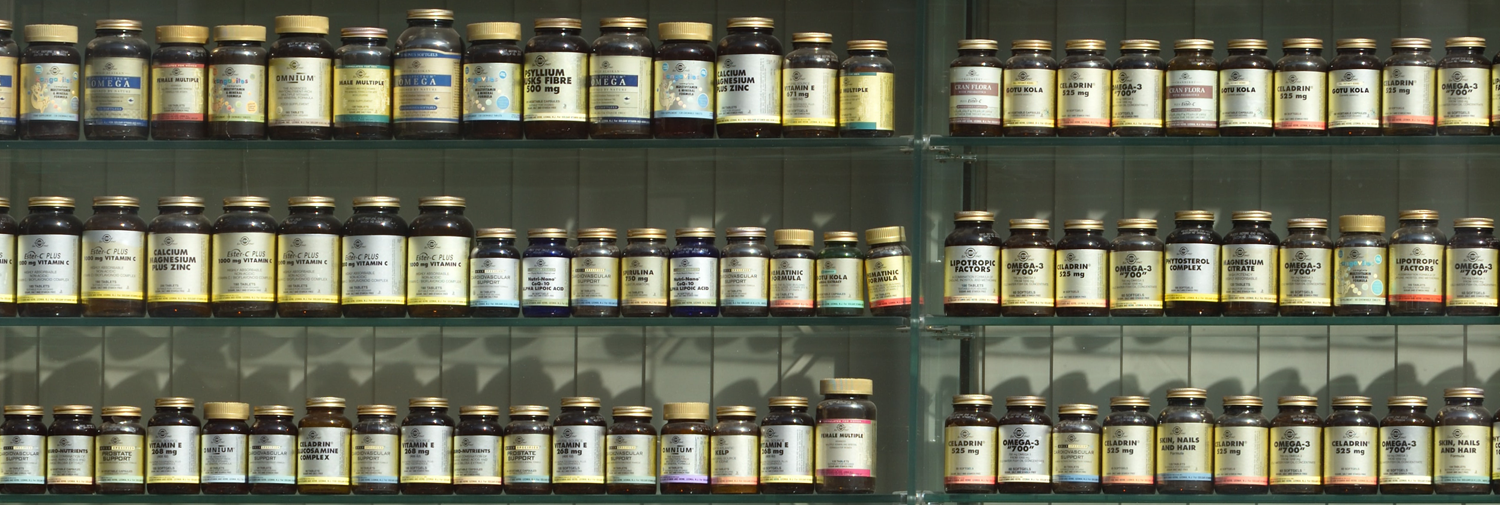
Vitamin Shelf

Vitamins are essential and vital nutrients required by the body to function at peak performance and efficiency. The daily intake of vitamins and minerals plays a crucial role in supporting normal bodily functions. They are necessary for a healthy metabolism and functions of the digestive, endocrine, cardiovascular, neurological, and the immune system of the body. [1][2]

Our body needs a proper amount of nutrients and extracts those from our meals to perform several cellular processes. With advancements in production technology and in particular with the ever-increasing amount of highly processed food items in our diet, unfortunately there comes an increasing chance that we become deprived of these important nutrients in our daily food supply. Ideally, a healthy diet should always provide all the essential nutrients - but in reality, that can be tough. For me, taking a multivitamin is like my nutrient insurance plan. In the areas where my food falls short, getting support from a quality multivitamin helps fill the gaps to fulfill my body's requirements and to make sure that my vital organs can operate perfectly. Recent medical studies on certain vitamins also reported that daily supplemental intake of vitamin A, the vitamin B family, vitamin C, vitamin D, and vitamin E boosts the immune response against bacterial and viral infections. [2][3][4][10]

Did You Know?

Medical studies have reported that deficiency of any essential nutrient in the body can lead to chronic medical conditions or permanent disability. For example, it has been reported that deficiency of vitamin B may result in anemia, beriberi, and neurological dysfunctions. Vitamin A deficiency typically results in vision problems, vitamin C deficiency weakens the immune system and can also result in gum disease. Other medical conditions due to deficiency of vitamins include skin problems, osteoporosis, poor blood clotting, cardiovascular dysfunctions, blood disorders, fatigue, metabolic dysfunctions, and other bodily impairments. [2][3][5][8]

Typical Nutrients in a Multivitamin

Multivitamin formulations mostly contain vitamin A, C, D, E, K, and the vitamin B family. Also, they usually come with a proper amount of minerals, including calcium, magnesium, chromium, zinc, selenium, copper, manganese, and other minerals. Some products add certain pseudoscientific or unproven medications, such as herbal extracts that are either newly discovered or have been used in traditional medicine for centuries.

Health Benefits of Multivitamins

Following is an outline of the significance of proper nutrition and the importance of daily vitamin intake in the proper dose, specifically in regards to longevity. For me, without this kind of baseline, discussion or intake of any additional longevity related products becomes almost meaningless.

Vitality and Longevity

Certain nutrients are required for the complete execution of different cellular and metabolic reactions. These nutrients enhance the efficiency of cellular production of energy, increase physical performance, and improve the vitality of various organs. Also, they support and promote the synthesis of certain proteins and DNA to repair and support the health of vital organs. Studies have shown a direct impact of vitamins on longevity. For example, vitamin A plays a significant role in maintaining healthy vision, cell differentiation, and bone growth, promoting the vitality and longevity of organs. Immune cells such as lymphocytes need a proper amount of nutrients to fight effectively against invading germs. Thus, vitamins boost and promote the body's resistance to pathological agents and encourage longevity. [2][3][8][10]

Certain vitamins, such as vitamin C, E, and others, possess potent antioxidant activity that protects cells and organs against oxidative damage, improves cellular integrity, and enhances the vitality of tissue and organs. Vitamins also have anti-inflammatory activity that, in combination with antioxidant properties, increase resistance to toxins and remove free radicals from the body. [2][3][4][7]

Vitamins, including the vitamin B family, support neural functions and can improve mood and symptoms of neurological dysfunctions. They also support gastrointestinal health by helping gut microbiota and increasing the metabolism of fats, carbs, and proteins. The presence of vitamin K promotes vascular functions and makes bones stronger. It is also required for blood coagulation and the healing of wounds. [2][9][12]

Apart from the direct impact on the health of internal organs, vitamins like the vitamin B family perform a significant role in different enzymatic processes. That helps improve metabolic reactions, increases red blood cell production, promotes DNA and protein synthesis, helps maintain an optimal level of hormones, and supports the central nervous system's functions. Considering all of this, there is an overall positive and significant role of vitamins in promoting vitality and longevity. [2][3][8][9]

Delayed Aging

Vitamins possess anti-aging activity by protecting the organs against stress and assisting their regular functions. The nutrients nourish the body's cells, organs and promote cellular processes via acting as coenzymes in metabolic reactions, relieving oxidative stress. It has been reported that oxidative damage produced by the generation of reactive oxygen species increases the risk of certain diseases, including cancer, cardiovascular dysfunction, cataract formation, all of which plays an important etiological role in the aging process. Also, reactive oxygen species are produced daily during different cellular reactions. So, a daily intake of scavengers like vitamin A, C, E, etc., is essential to help protect and promote optimal functioning of cells and organs. [2][3][4][7][10]

Thus, multivitamins can help delay aging and enhance longevity. Some vitamins, like vitamin E, can delay skin aging, improve skin tone and enhance skin appearance by removing fine lines, wrinkles, and spots. Vitamins can improve skin rejuvenation by supporting the production of collagen to increase skin tightness, firmness and enhance the youthful appearance of skin. Additionally, vitamins support joint health by playing a significant role in the growth of ligaments. [2][3][16][17]

Quality of Life

Vitamins enhance and extend life expectancy by reducing the risk of certain chronic medical conditions such as heart disease, cancer, eye problems, and many others, that impair quality of life. It has been reported in medical studies that vitamins and minerals possess significant antioxidant activity that relieves oxidative stress and prevents the risk of organ damage. They have an anti-inflammatory action that reduces the risk of chronic inflammatory conditions, including atherosclerosis and diabetes. The anti-inflammatory activity is attributed to the modulation of pro-inflammatory mediators by regulating the production of cytokines and macrophages. [2][3][4][7][10]

Vitamins support healthy cardiovascular function by regulating total cholesterol and decreasing the risk of plaque formation in vessels. Vitamins help various brain activities by supporting cognition and memory retention. They also stimulate the nervous system, improve mood, and relieve stress and depression. An optimal amount of vitamin B is required for the proper metabolism of homocysteine to prevent the risk of coronary heart diseases. Other studies have shown that regular intake of vitamin D strengthens bones and teeth, treat osteoporosis, and avoid the risk of fractures, especially in areas with limited sun exposure. [2][8][9][11][14]

Vitamins and minerals like vitamin C and zinc enhance the immune response against pathological agents, decrease the chances of infections and shorten the disease state's duration or slow down its progression. They act by stimulating and increasing immune cells production in the body, including natural killer cells, lymphocytes, dendritic cells, and antibodies against viral and bacterial infections. [2][3][10][13]

Precautions

There are no severe side effects associated with a daily intake of multivitamins in the proper dose. However, exceeding the usual recommended doses can lead to significant adverse effects. Excessive intake of multivitamins, including minerals, can results in teeth coloration, muscle weakness, confusion, increased urination, gastrointestinal discomfort, and irregular heart rhythms. Studies have also reported that multivitamins may cause nausea, diarrhea, and stomach or abdominal cramps. Also, consuming a high amount of selenium can result in loss of hair, an upset stomach, weakness, and mild neurological dysfunctions. [18][19]

This is part of the reason why I am careful with the doses of vitamins that I am taking. My goal is to supplement my daily vitamin and mineral intake and not to replace it entirely with an artificial product. When I read product labels and how they advertise to contain 100%, or in some cases in excess of 1000%, of a daily recommended dose of vitamins and minerals, it always makes me wonder how much of that I actually need, what is healthy and what might be too much of a good thing.

Lastly, please note that I am only talking about my personal experience and opinion. This is not medical advice and what works for me might not work for you. Please make sure to always consult your primary care physician about any information obtained from or through my site.


Take a look at this page for a full overview of all the supplements that I am currently taking on a regular basis: Fundamental Longevity Supplements. You will find links to other detailed articles, such as this one, about other supplements significant to longevity. There are also product endorsements and recommendations from me, based on the supplements that I am personally taking after spending years experimenting with different products.


References:

  1. Institute of Medicine (US) Committee on Diet and Health; Woteki CE, Thomas PR, editors. "Eat for Life: The Food and Nutrition Board's Guide to Reducing Your Risk of Chronic Disease." Washington (DC): National Academies Press (US); 1992. Chapter 8, Vitamins, Minerals, And Chronic Diseases.
  2. Fortmann SP, Burda BU, Senger CA, et al. "Vitamin, Mineral, and Multivitamin Supplements for the Primary Prevention of Cardiovascular Disease and Cancer: A Systematic Evidence Review for the U.S. Preventive Services Task Force [Internet]." Rockville (MD): Agency for Healthcare Research and Quality (US); 2013. Chapter 1, Introduction.
  3. Milly Ryan-Harshman and Walid Aldoori. "Health benefits of selected vitamins." Canadian family physician, Medecin de famille canadien, vol. 51(7), 2013: 965–968.
  4. Anitra C. Carr, Ben-Zhan Zhu, Balz Frei. "Potential Antiatherogenic Mechanisms of Ascorbate (Vitamin C) and α-Tocopherol (Vitamin E)." Circulation Research, vol. 87(5), 2000: 349–354. https://doi.org/10.1161/01.res.87.5.349
  5. Joel G. Ray et al. "Association of neural tube defects and folic acid food fortification in Canada." The Lancet, vol. 360(9350), 2002: 2047–2048. https://doi.org/10.1016/S0140-6736(02)11994-5
  6. Tao Huang et al. "Meta-analysis of B vitamin supplementation on plasma homocysteine, cardiovascular and all-cause mortality." Clinical Nutrition, vol. 31(4), 2012: 448–454. https://doi.org/10.1016/j.clnu.2011.01.003
  7. Rene Aguirre and James M. May. "Inflammation in the vascular bed: Importance of vitamin C." Pharmacology & Therapeutics, vol. 119(1), 2008: 96–103. https://doi.org/10.1016/j.pharmthera.2008.05.002
  8. Alex Ankar and Anil Kumar. "Vitamin B12 Deficiency." In: StatPearls [Internet]. Treasure Island (FL): StatPearls Publishing; Jan. 2020 [Updated June 7, 2020]
  9. Fiona O'Leary and Samir Samman. "Vitamin B12 in Health and Disease." Nutrients, vol. 2(3), 2010: 299–316. https://doi.org/10.3390/nu2030299
  10. Abel Ang, Juliet M. Pullar, Margaret J. Currie, Margreet C. M. Vissers. "Vitamin C and immune cell function in inflammation and cancer." Biochemical Society Transactions, vol. 46(5), 2018: 1147–1159. https://doi.org/10.1042/BST20180169
  11. J. W. Nieves et al. "Calcium and vitamin D intake influence bone mass, but not short-term fracture risk, in Caucasian postmenopausal women from the National Osteoporosis Risk Assessment (NORA) study." Osteoporosis International, vol. 19(5), 2008: 673–679. https://doi.org/10.1007/s00198-007-0501-2
  12. Milly Ryan-Harshman and Walid Aldoori. "Bone health. New role for vitamin K?." Canadian family physician, Medecin de famille canadien, vol. 50, 2004: 993–997.
  13. Zhiyi Huang et al. "Role of Vitamin A in the Immune System." Journal of Clinical Medicine, vol. 7(9), 2018: 258. https://doi.org/10.3390/jcm7090258
  14. Ralph Carmel et al. "The frequently low cobalamin levels in dementia usually signify treatable metabolic, neurologic and electrophysiologic abnormalities." European Journal of Haematology, vol. 54(4), 1995: 245–253. https://doi.org/10.1111/j.1600-0609.1995.tb00679.x
  15. J. Rodrigo Mora, Makoto Iwata, Ulrich H. von Andrian. "Vitamin effects on the immune system: vitamins A and D take centre stage." Nature Reviews Immunology, vol. 8, 2008: 685–698. https://doi.org/10.1038/nri2378
  16. Stanley S. Shapiro and Claude Saliou. "Role of vitamins in skin care." Nutrition, vol. 17(10), 2001: 839–844. https://doi.org/10.1016/s0899-9007(01)00660-8
  17. Almudena Pérez-Sánchez et al. "Nutraceuticals for Skin Care: A Comprehensive Review of Human Clinical Studies." Nutrients, vol. 10(4), 2018: 403. https://doi.org/10.3390/nu10040403
  18. https://www.webmd.com/diet/guide/effects-of-taking-too-many-vitamins
  19. https://www.emedicinehealth.com/drug-multivitamin/article_em.htm

Share: